Shein Dropshipping: A Smart Opportunity for Store Owners
Shein has become a dominant force in fast fashion, offering affordable, on-trend clothing that refreshes constantly. That makes it appealing to dropshippers who want to expand their catalog without holding inventory. Done right, adding Shein to your store can be a genuine competitive edge — as long as you understand how the model actually works.
What is Shein dropshipping?
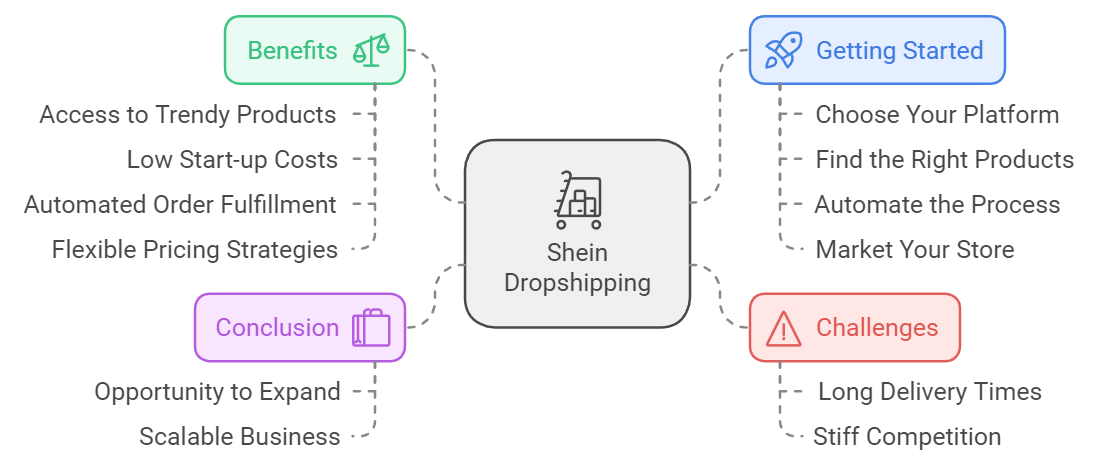
Shein dropshipping means selling Shein's products in your own store without holding stock. When a customer orders, you buy the item from Shein and have it shipped to them. There's no upfront inventory investment and no warehousing — but note there's also no official Shein program or API behind this. You're reselling from a retailer, using your own tools to keep listings in sync.
Why store owners consider Shein
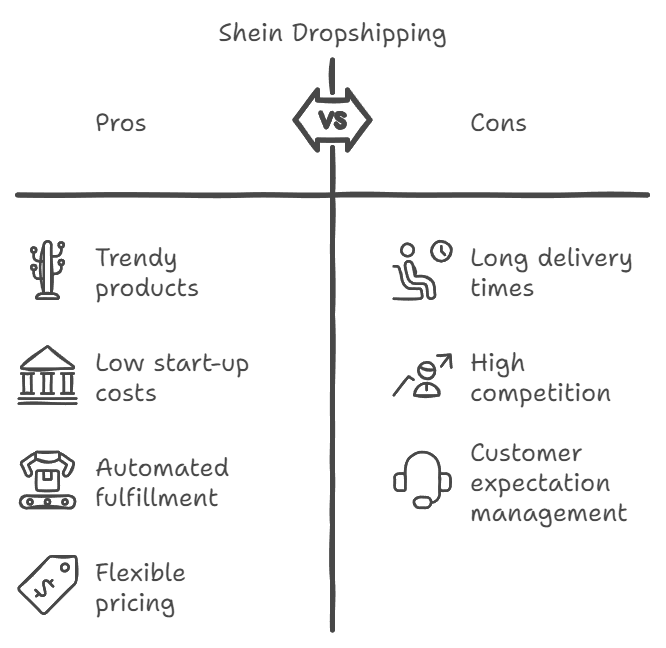
1. Trendy, affordable products. Shein's fast-fashion collections update frequently, so your store always has fresh items across clothing, accessories, home, and beauty — variety that's hard to match from a single supplier.
2. Low start-up costs. Dropshipping already needs little capital, and Shein's low prices lower the barrier further, making it accessible for new store owners.
3. Automation-friendly. While Shein itself doesn't provide fulfillment automation, a sync tool can keep your listings' prices and stock aligned with Shein automatically, so you spend your time on marketing rather than manual updates.
4. Flexible pricing. Shein's low cost base lets you set your own margins and adjust prices by demand, season, or segment while staying competitive.
How to get started
1. Choose your platform. Whether you use Shopify, WooCommerce, Wix, or PrestaShop, a sync tool can connect it to Shein.
2. Find the right products. Focus on items that fit your niche and audience. Curate a focused selection rather than importing everything.
3. Automate the data. Import products from their Shein URLs, apply a markup rule, and schedule syncing so prices and stock update on their own. This is where you avoid overselling and stale pricing.
4. Use your own images and market the store. Shein's model photos are copyrighted, so shoot your own — then drive traffic with SEO, social media, and paid ads, highlighting your trendy, affordable range.
Challenges to plan for
Be realistic about the downsides. Delivery times can be long, particularly for international customers, so set clear expectations and communicate proactively. Orders arrive in Shein-branded packaging, which rules out private labeling — be upfront that customers are buying a Shein product. And because many sellers offer the same items, competition is real; your edge comes from curation, branding, and marketing.
Conclusion
Shein dropshipping is a strong opportunity for store owners who want to expand their range without inventory risk. Treat it correctly — reselling with your own photos, transparent shipping, and automated price-and-stock syncing — and you can scale a profitable store around trendy, affordable fashion that appeals to a broad audience.
Related articles
Want to sell Shein products in your store? Automate Shein product sync with DroFX →